
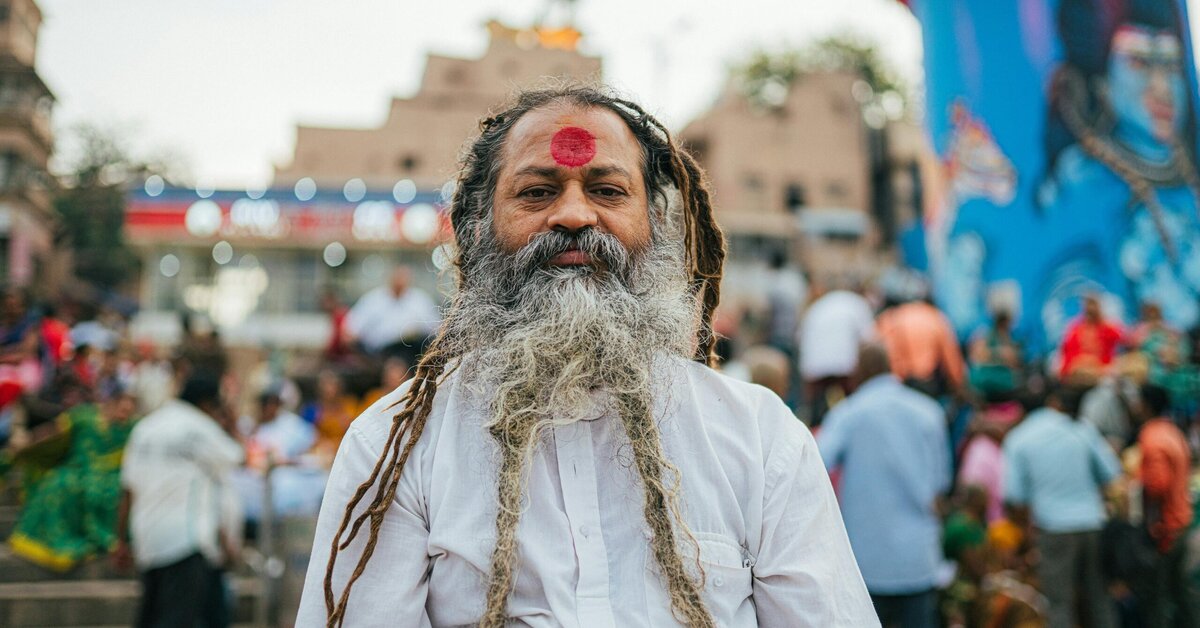
Varanasi Group Tour Package with Private Cab & Coordinator , Varanasi beckons travelers with its timeless spiritual essence, ancient traditions, and vibrant cultural tapestry. For groups seeking an immersive yet organized experience, a comprehensive tour package combining private cab services with a dedicated coordinator offers the ideal balance between structure and flexibility. This approach transforms the complexities of navigating one of India’s most chaotic cities into a seamless journey, allowing your group to focus on experiences rather than logistics.

Understanding the Package Components
A well-designed Varanasi group tour package integrates multiple services into a cohesive experience. At its core, the package includes private transportation, professional coordination, accommodation arrangements, guided experiences, and logistical support that collectively remove the stress from group travel.
Private Cab Services Unlike shared transportation or public vehicles, private cabs provide your group with dedicated, comfortable transportation throughout your stay. Depending on group size, this might mean a single large vehicle like a Tempo Traveler (accommodating 12-17 passengers) or multiple sedans for smaller groups. The vehicle remains exclusively yours, departing when you’re ready and stopping wherever you wish, offering flexibility impossible with scheduled group tours.
Modern, air-conditioned vehicles with experienced drivers familiar with Varanasi’s maze-like streets form the transportation foundation. Drivers understand tourist requirements—they know accessible parking near major sites, alternative routes avoiding congestion, and optimal timing for visiting different locations. More than chauffeurs, these drivers become informal advisors, suggesting photo opportunities and sharing local insights.
Dedicated Coordinator Services The coordinator represents your package’s most valuable component. This individual serves as your on-ground manager, handling everything from restaurant reservations and temple arrangements to emergency problem-solving and cultural interpretation. Unlike guides who provide information but limited logistical support, coordinators actively manage your group’s entire experience.
Varanasi Group Tour Package with Private Cab & Coordinator , Professional coordinators maintain relationships with hotels, restaurants, priests, boat operators, and local authorities, leveraging these connections to secure better access, preferential treatment, and smoother experiences. When challenges arise—a delayed train, sudden illness, or accommodation issues—coordinators deploy their local knowledge and networks to resolve problems efficiently.
Typical Package Inclusions
Varanasi group tour package with Private Cab & Coordinator , Understanding what’s included versus additional expenses helps evaluate package value and budget appropriately.
Standard Inclusions Most comprehensive packages cover accommodation for the specified duration, typically ranging from three to five nights. Mid-range packages use comfortable three-star properties, while premium options include heritage hotels or luxury riverside accommodations. Room configurations accommodate various group compositions—families might need interconnected rooms, while corporate groups prefer standard layouts.
Transportation includes airport/railway station transfers, all local sightseeing as per the itinerary, and vehicle availability throughout each touring day. Fuel, parking fees, and driver allowances are typically included, ensuring no unexpected transportation costs.
Daily breakfast comes standard, with some packages including all meals or offering meal packages at additional cost. The coordinator arranges dining at restaurants suited to your group’s preferences and dietary requirements, often negotiating group rates that provide better value than independent dining.
Guided tours of major sites—Kashi Vishwanath Temple, Sarnath, Banaras Hindu University, and key ghats—form the itinerary backbone. Expert guides provide historical context, spiritual insights, and cultural explanations that transform sightseeing into genuine understanding.
Boat rides on the Ganges, particularly sunrise and evening aarti experiences, are typically included. These aren’t shared public boats but private arrangements allowing your group to experience these quintessential Varanasi moments together, moving at your own pace.
Common Exclusions Entry fees for monuments, museums, and special experiences typically remain separate, allowing flexibility for group members with varying interests. Not everyone may wish to visit every site, so pay-as-you-go entrance fees prevent paying for unused inclusions.
Lunch and dinner beyond package specifications remain individual expenses unless specifically included. This flexibility allows group members to eat independently or together based on daily preferences and budget considerations.
Varanasi group tour package with Private Cab & Coordinator , Personal expenses—shopping, additional snacks, laundry services, and telephone calls—stay separate. Similarly, travel insurance, though highly recommended, isn’t usually included in base packages.
Tips for drivers, guides, and coordinators aren’t included in package costs. Standard practice suggests INR 300-500 daily for drivers, INR 400-600 for guides per tour, and INR 500-800 daily for coordinators, though amounts should reflect service quality and group size.
Customization Options
The beauty of private packages lies in customization potential. Unlike fixed-departure group tours following rigid schedules, private packages adapt to your group’s specific needs and interests.
Itinerary Flexibility Standard itineraries provide frameworks, but most operators welcome modifications. Spiritual groups might emphasize temple visits and religious ceremonies, while cultural enthusiasts prefer crafts workshops, classical music performances, or literary sites associated with famous authors. Photography-focused groups can schedule golden-hour shoots at picturesque locations, while wellness-oriented travelers might add yoga sessions and Ayurvedic consultations.
Pace adjustments accommodate different travel styles. Some groups prefer intensive touring covering maximum ground, while others favor leisurely exploration with ample downtime. Your coordinator helps balance these preferences against practical constraints like site operating hours and optimal visiting times.
Special Experience Add-Ons Premium packages offer unique experiences elevating standard touring. Private pujas performed by knowledgeable priests at significant temples provide intimate spiritual experiences. Behind-the-scenes access to silk weaving workshops, including hands-on demonstrations, offers insights into Varanasi’s famous textile heritage.
Classical music evenings featuring renowned artists create unforgettable cultural moments. Food experiences—cooking classes, heritage home dinners, or guided street food tours (with carefully vetted vendors ensuring safety)—satisfy culinary interests. Photography walks led by local photographers reveal Varanasi’s visual poetry through expert eyes.
Corporate groups might add team-building activities, conference facility arrangements, or networking dinners. Educational groups benefit from specialized lectures by university professors or interactions with local scholars. Family groups might include child-friendly activities ensuring younger members remain engaged.
Duration Adjustments While typical packages span three to five days, extensions accommodate thorough exploration or additional regional destinations. Shorter weekend packages suit time-constrained travelers, though these necessarily limit depth of experience. Longer stays allow day trips to nearby attractions—Allahabad (Prayagraj), Gaya, or Ayodhya—creating comprehensive regional tours.
Group Size Considerations
Varanasi group tour package with Private Cab & Coordinator , Package dynamics and logistics vary significantly with group size, affecting both experience quality and per-person costs.
Small Groups (4-8 People) Intimate groups enjoy maximum flexibility and personalized attention. Coordinators can tailor experiences precisely to individual preferences, restaurant reservations pose minimal challenges, and moving through crowded areas proves easier. Small groups access experiences impractical for larger numbers—private boat rides feel genuinely private, boutique hotel options expand, and special temple access becomes more feasible.
Per-person costs run higher for small groups since fixed expenses like coordinator fees and vehicle costs divide among fewer people. However, the enhanced experience quality often justifies the premium.
Medium Groups (10-20 People) This sweet spot balances cost efficiency with manageability. Fixed costs distribute reasonably, reducing per-person expenses while maintaining good coordinator attention. Vehicle options work well—a single Tempo Traveler accommodates most medium groups comfortably, creating group cohesion while touring.
Varanasi Group Tour Package with Private Cab & Coordinator , Restaurant bookings and activity arrangements remain manageable, though advance notice becomes more important. Group dynamics create social energy—conversations flow, friendships form, and shared experiences bond participants. However, individual needs receive less immediate attention than in smaller groups.
Large Groups (25+ People) Corporate outings, wedding groups, or multi-family reunions often involve larger numbers requiring more complex logistics. Multiple vehicles necessitate coordination to keep everyone together, and large group movements through crowded areas require patience and planning.
Benefits include significant per-person cost reductions through economies of scale. Negotiating power increases—hotels offer group discounts, restaurants provide better rates, and special arrangements become worthwhile for operators. However, flexibility decreases, and ensuring everyone’s needs are met demands more structured organization.
Choosing the Right Operator
Package quality varies dramatically between operators, making careful selection crucial for satisfying experiences.
Evaluation Criteria Investigate operator credentials thoroughly. Registered tourism businesses with proper licenses provide accountability absent from informal operators. Years in business and specialization in Varanasi specifically indicate established expertise and refined processes.
Reviews and testimonials from previous groups reveal service quality and problem-handling capabilities. Look for feedback specifically mentioning coordinators—were they responsive, knowledgeable, and helpful? Did they handle unexpected situations effectively? Were drivers professional and safe?
Request detailed itineraries showing realistic timing and practical routing. Unrealistic schedules cramming too many sites into limited time suggest operators prioritizing sales over experience quality. Good operators incorporate buffer time, rest breaks, and acknowledge travel time realistically.
Transparent pricing with clear breakdowns of inclusions and exclusions indicates reputable operators. Be wary of packages seeming too cheap—quality accommodation, reliable vehicles, and professional staff command fair prices. Rock-bottom rates often involve hidden costs or compromised service quality.
Questions to Ask Operators Before booking, clarify critical details. What is the coordinator’s experience level and language proficiency? Will the same coordinator accompany your group throughout, or do multiple people rotate? What happens if the coordinator becomes ill or unavailable?
Regarding vehicles, what types are provided, and what is their age and condition? Are backup vehicles available if mechanical issues arise? Does insurance cover all passengers adequately?
Understand accommodation specifics—exact hotel names (not just star ratings), room types, and amenities. Request seeing properties or at minimum reviewing detailed descriptions and photos. Clarify check-in/check-out times and whether early arrival or late departure accommodations are available.
For dietary requirements or special needs within your group, confirm the operator’s capacity to accommodate these. Can they arrange vegetarian, Jain, diabetic-friendly, or other specialized meal requirements? Do they have experience managing mobility-impaired travelers or other special considerations?
Ask about cancellation policies, payment schedules, and what happens if weather or other factors necessitate itinerary changes. Reputable operators have clear policies protecting both parties reasonably.
Cost Structure and Budgeting
Understanding pricing helps evaluate packages and budget appropriately for additional expenses.
Package Pricing Ranges Basic packages using three-star accommodation, standard vehicles, and fundamental guiding services typically cost INR 12,000-18,000 per person for three nights/four days (based on groups of 10-15 people). These provide comfortable, safe experiences covering major highlights efficiently.
Mid-range packages elevating accommodation quality, adding special experiences, and providing more experienced coordinators run INR 20,000-30,000 per person. These balance value and quality, offering enhanced comfort and deeper engagement without luxury pricing.
Premium packages featuring heritage hotels, exclusive experiences, and highly personalized service cost INR 35,000-50,000+ per person. These suit groups prioritizing exceptional quality and unique access over budget considerations.
Corporate packages often include additional elements—conference facilities, team activities, networking events—with pricing customized based on specific requirements, typically starting around INR 25,000 per person.
Per-Person Cost Factors Group size significantly impacts individual costs. A package costing INR 80,000 total means INR 8,000 per person for ten people but INR 20,000 per person for four people. Larger groups dramatically reduce per-person expenses for fixed costs like coordination and vehicles.
Travel season affects pricing, with November through February peak season commanding higher hotel rates. October, March, and early April shoulder seasons offer moderate pricing and pleasant weather. Monsoon and summer months provide the lowest rates but weather challenges.
Customizations and upgrades add costs proportionally. Each special experience, accommodation upgrade, or itinerary extension increases the total. Request detailed quotes showing base package costs and additional elements separately for clear understanding.
Hidden Costs to Consider Beyond package prices, budget for entrance fees collectively amounting to INR 500-1,000 per person. Tips for various service providers total INR 2,000-3,500 per person for a typical four-day tour. Excluded meals run INR 500-1,500 daily depending on dining choices.
Shopping proves irresistible for most visitors—budget accordingly based on interest in Banarasi silk, handicrafts, and religious items. Personal expenses vary widely but estimating INR 2,000-5,000 additional per person provides reasonable buffer.
Sample Itineraries
Understanding typical daily structures helps set appropriate expectations and evaluate package completeness.
Three-Night/Four-Day Classic Package
Day 1 focuses on arrival and orientation. Airport/station pickup leads to hotel check-in and rest. Evening includes a leisurely walk around nearby ghats, dinner at a recommended restaurant, and group briefing about upcoming days.
Day 2 begins with sunrise boat rides witnessing morning rituals along the ghats. After breakfast and rest, afternoon visits Sarnath’s archaeological sites and museums. Evening returns for the spectacular Ganga Aarti at Dashashwamedh Ghat, followed by dinner.
Day 3 explores Varanasi’s spiritual heart—Kashi Vishwanath Temple area, Annapurna Temple, and other significant shrines. Afternoon visits Banaras Hindu University campus including Vishwanath Temple and Bharat Kala Bhavan museum. Evening free for shopping or optional classical music performance.
Day 4 offers morning leisure, last-minute shopping, or optional additional sightseeing before checkout and departure transfers.
Five-Night/Six-Day Comprehensive Package
This extends the classic itinerary with deeper exploration. Additional days incorporate silk weaving workshops with hands-on demonstrations, heritage walks through old city neighborhoods, visits to lesser-known temples and ghats, optional day trips to Allahabad or Gaya, cooking class experiences, and more extensive shopping time with coordinator assistance ensuring authentic purchases at fair prices.
Practical Tips for Groups
Smooth group travel requires awareness and cooperation from all participants.
Pre-Trip Coordination Establish clear communication channels before departure—WhatsApp groups work well for sharing updates, itinerary changes, and meeting point information. Designate a primary contact person liaising with the coordinator to streamline communication rather than multiple people asking similar questions.
Collect everyone’s dietary restrictions, medical considerations, and special requirements well before departure, sharing this compiled information with operators. This prevents last-minute scrambling when someone reveals serious allergies or mobility limitations upon arrival.
During the Tour Punctuality matters significantly in group travel. When ten people wait for one chronically late individual, frustration builds quickly. Establish group norms about timing and departure protocols early.
Stay together in crowded areas, particularly around ghats and markets where groups easily fragment. Coordinators can’t track individuals who wander off independently. Establish meeting points and times when splitting temporarily.
Respect the coordinator’s guidance regarding safety, cultural sensitivity, and optimal approaches to different situations. Their expertise helps groups avoid problems and access better experiences. However, don’t hesitate raising concerns if something genuinely feels wrong.
Managing Group Dynamics Diverse groups inevitably include varying interests and energy levels. Build flexibility allowing people to opt out of activities without judgment. The coordinator can arrange for those preferring to skip certain experiences, ensuring they’re comfortably situated while others proceed.
Decision-making should involve group input but needs leadership preventing endless debates. One approach designates a tour leader making final calls after considering preferences. Another uses majority-rule voting for major decisions.
Maximizing Package Value
Smart approaches extract maximum benefit from group packages.
Leverage Coordinator Expertise Don’t limit coordinator interaction to scheduled activities. Ask recommendations for everything from best street food vendors to where locals buy silk at wholesale prices. Inquire about upcoming festivals, special temple events, or temporary exhibitions you might otherwise miss.
Request photography assistance—coordinators know optimal spots and timing for memorable photos. They can arrange special access to areas providing unique perspectives.
Customize Within Structure Even fixed itineraries allow personalization. Express interests beyond scheduled activities—if someone’s passionate about music, the coordinator might arrange meeting a local musician. Fascination with ancient texts could lead to visiting Sanskrit libraries. These spontaneous additions often become trip highlights.
Build Group Memories Designate someone as group photographer/videographer or rotate this responsibility. Creating shared digital albums preserves memories for everyone. Consider group activities beyond touring—shared dinners where everyone tries different dishes and exchanges plates, morning yoga sessions, evening reflection circles discussing the day’s experiences.
Conclusion
Varanasi group tour packages combining private cab services with dedicated coordinators represent intelligent investments in memorable, stress-free travel. The coordinator’s local expertise, combined with transportation flexibility, creates experiences far superior to independent navigation while maintaining advantages over rigid fixed-departure tours.
For groups celebrating special occasions, corporate teams building connections, friends seeking adventure, or families creating memories, these packages provide frameworks supporting both structure and spontaneity. The ancient city’s spiritual power, cultural richness, and sensory intensity become accessible and enjoyable rather than overwhelming when experienced with professional support.
Choosing quality operators, understanding package components, and approaching the experience with realistic expectations and open hearts sets the foundation for transformative journeys. Varanasi rewards those who come prepared, and comprehensive packages with private cabs and coordinators ensure your group arrives ready to embrace one of India’s most extraordinary destinations fully.
Frequently Asked Questions
u003Cstrongu003E1. How far in advance should we book a group tour package, and what is the typical payment schedule?u003C/strongu003E
Booking timelines depend on group size, season, and desired accommodation level. For small groups (under 10 people) traveling during shoulder seasons, four to six weeks advance booking typically suffices for good options. Medium to large groups (15+ people) or anyone traveling during peak season (November-February) should book at least three months ahead to secure preferred hotels and ensure vehicle availability. Heritage properties and boutique hotels have limited rooms, requiring even earlier reservation for specific preferences.u003Cbru003Eu003Cbru003EPayment schedules vary by operator but typically follow this pattern: 25-30% advance payment upon booking confirmation secures reservations; 50% payment 30 days before travel covers major commitments; final 20-25% payment upon arrival or before tour commencement. Some operators accept full advance payment with modest discounts. Always get detailed booking confirmations specifying what advance payments cover. Use secure payment methods providing transaction records. For expensive packages, consider operators accepting credit cards despite processing fees, as this provides additional consumer protection compared to bank transfers.
u003Cstrongu003E2. What happens if some group members want to do different activities or if disagreements arise about the itinerary?u003C/strongu003E
Professional coordinators handle differing preferences routinely and can facilitate group splits when appropriate. The key is communicating preferences early rather than deciding at the last minute. If some members want extended temple time while others prefer shopping, coordinators can organize this—one group continues with a guide while the coordinator accompanies others, reuniting later at scheduled points. The private vehicle either shuttles between activities or, for larger groups with multiple vehicles, splits allow simultaneous different activities.u003Cbru003EHowever, understand that excessive fragmentation reduces efficiency and may incur additional costs if requiring extra guides or transportation. Discuss major preference differences during planning stages. Many operators create optional activities allowing people to opt in or out without affecting others—those uninterested can rest at the hotel or pursue personal interests while others participate.u003Cbru003EFor resolving disagreements, establish decision-making protocols before departure. Some groups designate a tour leader whose judgment prevails after considering input. Others use democratic voting for major decisions. The coordinator can provide expert input about feasibility and timing but shouldnu0027t mediate interpersonal conflicts—groups should resolve these internally. Flexibility and willingness to compromise make group travel enjoyable for everyone.
u003Cstrongu003E3. Are private cab and coordinator packages suitable for solo travelers, or are they only economical for groups?u003C/strongu003E
Private packages can work for solo travelers though economics shift significantly. Solo travelers pay the same fixed costs (coordinator, vehicle, certain arrangements) that groups distribute among many people, making per-person costs substantially higher. A package costing INR 15,000 per person for a group of ten might cost INR 45,000-60,000 for one person covering the same services.u003Cbru003ESome operators offer u0022solo traveleru0022 packages using shared coordinators serving multiple independent travelers simultaneously—you get private vehicle and personalized itinerary but share the coordinator with perhaps one or two other solo travelers doing similar activities. This hybrid approach reduces costs while maintaining much of the private packageu0027s flexibility.u003Cbru003EAlternatively, solo travelers might join scheduled small-group departures combining private cab comfort with cost-sharing benefits. Many operators run guaranteed-departure tours with maximum 8-10 participants, offering middle ground between fully private and large group tours.u003Cbru003EFor solo travelers prioritizing personalized experience and having flexible budgets, private packages deliver unmatched convenience and customization. Those more budget-conscious should explore shared coordinator options or joining small scheduled groups. Honestly assess whether private package benefits justify costs for your specific situation and travel style.
u003Cstrongu003E4. What recourse do we have if the coordinator or services donu0027t meet promised standards during the tour?u003C/strongu003E
Address issues immediately rather than waiting until tour completion. Speak directly with your coordinator about concerns—many problems result from miscommunication or misunderstandings easily resolved once raised. If coordinator performance itself is the issue, contact the tour operatoru0027s management immediately. Reputable operators have supervisors or customer service personnel available during tours specifically to handle such situations.u003Cbru003EDocument problems thoroughly—photographs, videos, timestamps, and detailed notes create evidence if disputes arise later. Keep all correspondence with operators, booking confirmations showing promises made, and itinerary details.u003Cbru003EMost quality operators want to resolve issues promptly and will take corrective action—replacing unsatisfactory coordinators, upgrading accommodations if properties donu0027t match descriptions, or providing compensatory services. They understand that group dissatisfaction affects future business through word-of-mouth and reviews.u003Cbru003Eu003Cbru003EFor unresolved serious issues, post-tour remedies include formal complaints requesting partial refunds, documenting experiences in detailed online reviews (factual accounts without exaggeration), and if packages were purchased through credit cards or travel platforms, potentially disputing charges for undelivered services. Some operators include satisfaction guarantees in contracts specifying dispute resolution processes.u003Cbru003EPrevention works better than remediation—thoroughly research operators beforehand, get everything in writing, and maintain professional but firm communication when standards arenu0027t met. Most issues resolve successfully when addressed promptly and professionally.
u003Cstrongu003E5. Can we extend the package if we decide we want to spend more time in Varanasi, or add nearby destinations not in the original itinerary?u003C/strongu003E
Most operators accommodate extensions and additions, though logistics depend on existing commitments. If your coordinator, vehicles, and accommodations arenu0027t booked for other groups immediately following your tour, extending is straightforward. Operators simply calculate additional costs based on per-day rates for continued services.u003Cbru003EExtensions requested during tours may face challenges if accommodations are fully booked for subsequent nights, particularly during peak season. Your coordinator can check availability and arrange alternatives if your original hotel is full. Vehicle and coordinator availability usually poses fewer problems than accommodation.u003Cbru003EAdding nearby destinations like Allahabad, Gaya, or u003Ca class=u0022wpil_keyword_linku0022 href=u0022https://tripcosmos.co/destinations/ayodhya/u0022 title=u0022Ayodhyau0022 data-wpil-keyword-link=u0022linkedu0022 data-wpil-replace=u0022u0022u003EAyodhyau003C/au003E requires calculating additional distances, entrance fees, guide requirements, and any overnight stays needed. Most coordinators facilitate this, though last-minute planning may not achieve optimal timing or arrangements. Some popular additions:u003Cbru003EAllahabad/Prayagraj (120 km, full-day trip): Triveni Sangam, temples, and historical sitesu003Cbru003EGaya (240 km, requires overnight stay): Buddhist pilgrimage sites and Vishnupad Templeu003Cbru003EAyodhya (200 km, long day trip possible): Ram Janmabhoomi and ancient temples Pricing for extensions and additions typically includes coordinator daily fees (INR 2,500-4,000), vehicle charges based on kilometers (INR 15-20/km beyond base package), accommodation at negotiated rates, and any additional guide requirements.u003Cbru003ERequest modifications as early as possible for better availability and planning. Having flexible onward travel plans helps—if youu0027ve booked non-refundable departures immediately after scheduled tour end, extensions become complicated. Building buffer days into your broader travel plans provides flexibility to extend memorable experiences spontaneously.




[…] Group Tour Package for 25-30 Persons with Hotel , Our Varanasi group tour package for 25 to 30 persons with hotel accommodation starts from ₹65,000 for a 2-day, 1-night package. […]
[…] smooth group coordination including airport reception with appropriate vehicle capacity through our Varanasi Cab Service, efficient hotel check-in for entire party, welcome meeting where guides introduce […]